About
The British Red Cross Museum and Archives, located at the charity's UK headquarters in Moorfields in the City of London, holds one of the most distinctive institutional collections in British philanthropy. The museum documents the humanitarian work of the British Red Cross from its founding in 1870 — twelve years after Henry Dunant's establishment of the International Red Cross movement in the aftermath of the Battle of Solferino in 1859 — through both World Wars and into the present-day work of one of the most recognised humanitarian organisations in the world.
The Red Cross idea was born when Henry Dunant, a young Swiss businessman, witnessed the appalling neglect of wounded soldiers after the Battle of Solferino in northern Italy on 24 June 1859. His resulting book Un Souvenir de Solferino, published in 1862, proposed two ideas that would change history: a permanent international relief society for the wounded of war, and an international treaty to protect medical workers in conflict. The first Geneva Convention followed in 1864 and the International Committee of the Red Cross in 1863. The British Red Cross, founded in 1870 during the Franco-Prussian War, became one of the most important national societies in the movement.
The collections document the full sweep of Red Cross humanitarian work: the great voluntary mobilisation of the First World War, when thousands of British women served as Voluntary Aid Detachment (VAD) nurses; the bombing relief work of the Blitz; prisoner-of-war parcels during the Second World War, when more than twenty million food parcels were sent to British and Commonwealth prisoners; and post-war international relief work from Korea and Hungary to the modern era of natural disaster response and refugee assistance. Objects include nursing uniforms, medical equipment, prisoner-of-war parcels and postcards, fundraising and recruitment materials, photographs, and personal testimonies from volunteers and beneficiaries.
The archive holds extensive paper records including service cards for First World War VAD nurses — a vital genealogical resource for tracing women's wartime service — minutes, photographs, and historical correspondence. The museum is open to visitors by appointment and offers researchers access to the archive collections. Admission is free. As an institutional museum within a working humanitarian organisation, it provides a unique window onto the long history of organised civilian humanitarianism in Britain.
Categories:
Plan Your Visit
⏱️ Recommended Visit Duration
💡 Visitor Tips
- Visits are by appointment only — contact the museum well in advance to arrange your visit.
- Family historians researching First World War VAD nurses should consult the British Red Cross website for guidance on archive searches before booking.
- Combine your visit with the nearby Museum of London Docklands or Bank of England Museum for a full day of City of London museum visits.
- The collection is particularly powerful for visitors with personal family connections to wartime nursing service.
- Moorgate Underground station is two minutes' walk and offers step-free access to most platforms.
- Admission is free but consider a donation to support the British Red Cross's ongoing humanitarian work.
- Researchers using the archive should request specific items in advance — some materials are stored off-site.
- Allow extra time if planning to combine a museum visit with archive research — the two are best treated as separate visits.
Highlights
Voluntary Aid Detachment (VAD) Collection
The First World War transformed the Red Cross and brought tens of thousands of British women into wartime service as Voluntary Aid Detachment nurses. The museum holds an exceptional collection of VAD uniforms, equipment, photographs, and personal items, alongside the archive's service cards for individual VAD nurses — one of the most important genealogical resources for women's wartime service.
Famous VADs included Vera Brittain, whose Testament of Youth remains the most celebrated personal account of the war from a woman's perspective, and Agatha Christie, who served as a VAD pharmacy assistant in Torquay.
Prisoner-of-War Parcel
During the Second World War the Red Cross sent more than twenty million food parcels to British and Commonwealth prisoners of war — a humanitarian effort of extraordinary scale that saved countless lives in the prison camps of Germany, Italy, and Japan. The museum displays original parcels and packaging materials, prisoner-of-war postcards documenting receipt of the parcels, and personal testimonies from former POWs describing the difference these parcels made to survival and morale.
The Geneva Convention permitted neutral inspection of camps and delivery of relief, a system the Red Cross uniquely facilitated.
Henry Dunant and the Founding of the Red Cross
The museum begins with the story of Henry Dunant, the Swiss businessman whose chance witnessing of the appalling neglect of wounded soldiers after the Battle of Solferino on 24 June 1859 led him to write Un Souvenir de Solferino in 1862.
His proposals — for permanent voluntary relief societies and an international convention protecting medical personnel — produced the International Committee of the Red Cross in 1863 and the first Geneva Convention in 1864. Dunant received the first Nobel Peace Prize in 1901 jointly with Frédéric Passy.
The Blitz and Civilian Relief
The Second World War German bombing campaign against British cities created a humanitarian emergency that drew heavily on Red Cross resources. The museum documents Red Cross work during the Blitz — establishing rest centres for the bombed-out, providing emergency hospital and ambulance services, supporting evacuation, and operating canteens and mobile feeding stations.
Photographs and personal accounts capture the round-the-clock work of volunteers in London, Coventry, Liverpool, and other heavily bombed cities, alongside the maintenance of essential services in the face of widespread destruction.
Collections
The British Red Cross Museum and Archives holds a comprehensive institutional collection documenting more than 150 years of British humanitarian work. The museum collection includes approximately 6,000 objects: uniforms (notably the Voluntary Aid Detachment nursing uniforms of both World Wars), medical and ambulance equipment, prisoner-of-war parcels, fundraising materials, medals and badges, photographs, fine and decorative art, and personal items from volunteers and beneficiaries.
The archive holds extensive paper collections including the indispensable First World War VAD service cards (records of individual nurses' service used heavily by family historians), minutes of governance bodies from 1870 onwards, photographs numbering many thousands, hospital records, and the records of major relief operations.
The combined collections are recognised as nationally significant for the history of voluntary humanitarianism in Britain.
150 Years of British Red Cross History
Chronological display tracing the British Red Cross from its 1870 founding through both World Wars to modern humanitarian work.
📍 Main Gallery
Women at War: The VAD Experience
Display dedicated to the Voluntary Aid Detachment and the British women who served as nurses, drivers, and auxiliaries in both World Wars.
📍 VAD Gallery
Current Exhibitions
No current exhibitions. Please check the museum website for updates.
Nearby Museums (5 within 6 miles)
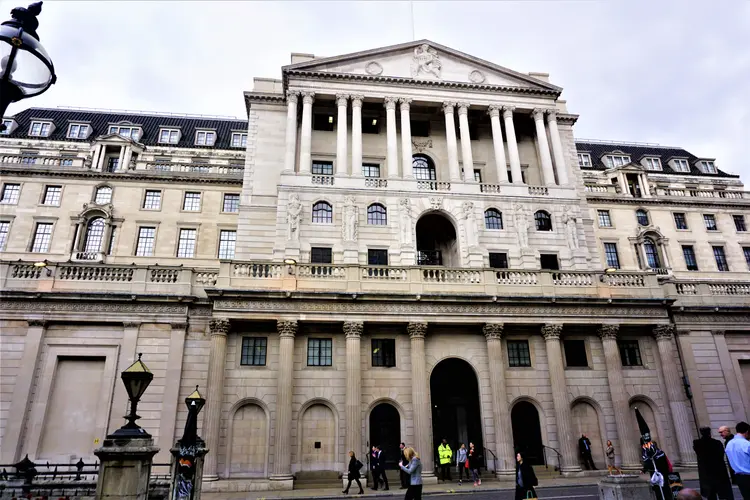
The Museum of Methodism and John Wesley's House
Heritage & Historic Buildings
London — ~10 min walk (0.5 mi)