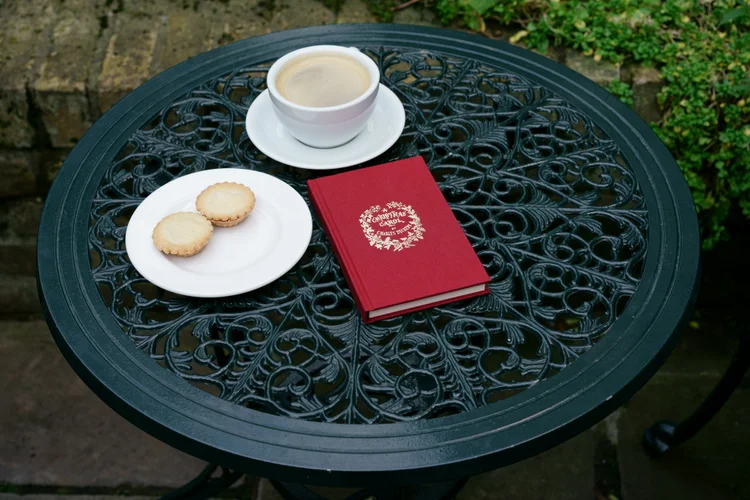
Photo: Peter Trimming / CC BY-SA 2.0 — cropped and resized
About
The Charles Dickens Museum at 48-49 Doughty Street in Bloomsbury occupies the finest surviving London home of Charles Dickens (1812-1870), the Victorian era's most celebrated and influential novelist whose works shaped how generations understood social injustice, urban poverty, and Victorian life. This elegant Georgian terraced house, where Dickens lived with his young family from 1837 to 1839, witnessed the composition of some of his greatest early works including Oliver Twist, Nicholas Nickleby, and crucial portions of The Pickwick Papers.
During these productive years, Dickens transformed from promising journalist to literary sensation, his serialized novels captivating millions with unforgettable characters, social criticism, humor, and narrative genius.
The museum, established in 1925, has been extensively restored to evoke the 1830s when Dickens lived here, with period furnishings, personal possessions, manuscripts, first editions, portraits, and letters creating intimate connection to the writer and his era.
Visitors explore rooms where Dickens wrote, entertained friends, and enjoyed brief domestic happiness before personal tragedies and his rising fame propelled him toward larger houses and restless wandering.
The museum displays the world's most important Dickens collection including manuscript pages showing his creative process, rare first editions with original illustrations, personal items including his writing desk, portraits by leading artists, and objects evoking characters and settings from the novels.
Special exhibitions explore Dickens's life, works, social activism, theatrical interests, and enduring cultural influence. The museum also addresses complex aspects of Dickens's life including his troubled marriage and relationship with Ellen Ternan.
Located in a quiet Bloomsbury street that retains Georgian character, the museum offers a literary pilgrimage site for Dickens devotees worldwide while introducing new generations to Britain's most beloved novelist.
Categories:
Annual Visitors (2019)
45,000
Plan Your Visit
⏱️ Recommended Visit Duration
📅 Best Times to Visit
Quietest: Tuesday, Wednesday, Thursday
Busiest: Saturday, Sunday
💡 Weekday mornings (10:00-12:00) for quietest contemplative experience in this intimate literary house
💡 Visitor Tips
- This is an intimate literary house museum across four floors—the entire visit takes place in Dickens's actual home with narrow Georgian staircases. Come prepared for an atmospheric, contemplative experience rather than a large modern gallery.
- Book timed-entry tickets online in advance, especially for weekends and school holidays. The museum controls visitor numbers to maintain the intimate atmosphere and protect the historic house, so walk-up admission isn't guaranteed during peak times.
- Don't miss Dickens's study and writing desk on the first floor—it's the emotional heart of any visit. Standing in the room where Oliver Twist was written creates powerful connection to literary history and creative genius.
- Allow 90-120 minutes for a comprehensive visit including all four floors, reading text panels, viewing manuscripts and first editions, and absorbing the Georgian domestic atmosphere. Rushing through reduces the experience significantly.
- Audio guides (free via app or device) provide excellent interpretation in multiple languages, offering deeper insights into Dickens's life, works, and Victorian context. Highly recommended for first-time visitors.
- Photography is allowed (no flash) making this an excellent opportunity to capture Victorian interiors, Dickens's writing desk, precious manuscripts, and atmospheric period rooms for personal use.
- The museum café serves light refreshments in the basement. Alternatively, Bloomsbury offers numerous dining options from pubs (The Lamb, 2 mins) to cafés and restaurants within walking distance.
- Combine your visit with the nearby British Museum (9 mins), British Library (12 mins), or Foundling Museum (6 mins) for a full day exploring Bloomsbury's exceptional cultural attractions.
Highlights
Dickens's Study and Writing Desk
The restored study where Dickens wrote portions of Oliver Twist and Nicholas Nickleby, featuring his original writing desk—an intimate piece of furniture where literary history was made. This simple desk, preserved through generations, witnessed the creation of some of English literature's most memorable characters and scenes.
Sitting at this desk, Dickens composed Oliver asking for more, the Artful Dodger's cockney wit, Nicholas Nickleby's theatrical adventures, and Smike's pathos.
The room recreates Dickens's working environment with period furnishings, writing implements, and objects evoking his creative process. Unlike later years when fame brought larger houses and elaborate studies, here Dickens worked in modest domestic surroundings, balancing literary productivity with family life.
The desk's presence makes Dickens's work tangible—his hand touched this wood, his pen scratched across paper resting on this surface, his genius transformed blank pages into immortal characters.
For writers and readers, encountering Dickens's actual desk creates profound connection to creative labor. The study demonstrates how genius operated in ordinary domestic space, without grand libraries or artistic isolation but amidst family noise and daily obligations.
Oliver Twist and Nicholas Nickleby Manuscripts
Precious manuscript pages from Oliver Twist and Nicholas Nickleby showing Dickens's handwriting, revisions, and creative process. These fragile documents reveal how Dickens composed his serialized novels—writing rapidly under deadline pressure, making corrections, adding descriptive details, and refining dialogue.
The manuscripts demonstrate Victorian publishing's demands—Dickens produced monthly or weekly installments while previous chapters were already being read by millions, leaving no time for extensive revision.
His manuscripts show remarkably clean copy with few corrections, indicating how fully he imagined scenes before writing. Occasional deletions and alterations reveal moments when Dickens reconsidered word choice or narrative direction. The physical manuscripts connect visitors to creation's moment—Dickens's pen formed these letters, his mind conceived these sentences, his imagination birthed these immortal characters.
Manuscript pages demonstrate 19th-century writing materials, ink, paper quality, and handwriting styles. For scholars, manuscripts provide primary evidence for textual analysis; for general visitors, they're moving artifacts connecting to literary genius. The museum rotates manuscript pages regularly to protect light-sensitive materials while ensuring visitors can encounter original documents.
Period Rooms - Victorian Domestic Life
Beautifully restored Georgian rooms furnished as they would have appeared when the Dickens family lived here 1837-1839, creating immersive experience of upper-middle-class Victorian domestic life. The ground floor dining room, first floor drawing room, bedchambers, kitchen, and washhouse demonstrate how prosperous Victorian households organized space, entertained guests, accommodated servants, and balanced public and private life.
Period furniture, decorative arts, wallpapers, fabrics, lighting fixtures, and household objects recreate 1830s material culture.
The rooms reveal Dickens's social status—he had arrived at comfortable prosperity, employing servants, entertaining literary and theatrical friends, and providing pleasant home for his growing family. Unlike his impoverished childhood or later grand residences, Doughty Street represents Dickens at a balanced moment—successful but not yet overwhelmed by fame, domestically happy before marital troubles, productive without the compulsive overwork that characterized later years.
Walking through rooms where Dickens lived creates connection to the man behind the novels—a devoted father, gracious host, energetic personality who filled rooms with conversation, laughter, and vitality.
First Editions and Original Illustrations
Comprehensive collection of first editions of Dickens's novels in their original serialized parts and volume formats, featuring illustrations by George Cruikshank, Hablot Knight Browne ('Phiz'), and other Victorian artists who visualized Dickens's characters and scenes. Victorian novels typically appeared first in monthly or weekly installments—cheap pamphlets with illustrations that brought stories to mass audiences before being collected in bound volumes.
The first editions preserve how Dickens's original readers encountered the novels—waiting eagerly for each new part, discussing cliffhangers, and viewing characters through illustrators' interpretations.
Cruikshank's illustrations for Oliver Twist, with their grotesque energy and social commentary, complemented Dickens's verbal pictures of London's underworld. 'Phiz's' illustrations for Nicholas Nickleby, Bleak House, and other works created visual vocabulary that shaped how generations imagined Dickens's world.
The collection demonstrates Victorian publishing practices, book production, illustration techniques, and reading culture.
Original parts in their flimsy paper covers, with period advertisements, show commercial context of Victorian literature. First editions are valuable artifacts documenting literary and cultural history.
Collections
The Charles Dickens Museum holds the world's most important collection relating to Charles Dickens (1812-1870) and his works. Holdings include over 100,000 items: manuscripts of major novels, letters, first editions in original parts and volume formats, personal possessions, portraits, photographs, prints, theatrical materials, and objects relating to Victorian social history.
Manuscript collections include portions of Oliver Twist, Nicholas Nickleby, Bleak House, and other works showing Dickens's creative process.
First editions preserve how Victorian readers encountered the novels through serialization. Personal items include Dickens's writing desk, furniture, clothing, and family possessions. Portrait and photograph collections document Dickens's appearance and celebrity.
Letters reveal his personality, relationships, and activism. The house itself, where Dickens lived 1837-1839, is the primary artifact—an authentic Georgian home preserving domestic spaces where he wrote, lived, and entertained. Collections serve scholarship, education, and public engagement, making Dickens accessible to diverse audiences from academic specialists to casual visitors discovering the novels for the first time.
Dickens at Doughty Street 1837-1839
Period rooms throughout the house recreating how the Dickens family lived during these crucial years. Furnishings, decorative arts, and interpretation evoke upper-middle-class Victorian domestic life and Dickens's productive early career when he wrote Oliver Twist and Nicholas Nickleby.
📍 Throughout the House
The Writer's World
Displays exploring Dickens's creative process, working methods, and literary production through manuscripts, first editions, illustrations, and writing desk. The exhibition shows how serialization shaped Victorian novel writing and how Dickens balanced artistic vision with commercial demands.
📍 First Floor
Dickens and Victorian Society
Interpretation examining Dickens's social activism, engagement with poverty and injustice, and novels as vehicles for reform advocacy. Displays connect his fiction to Victorian social conditions and reform movements while exploring his journalism and public advocacy.
📍 Second Floor
Personal Life and Relationships
Displays exploring Dickens's family relationships, friendships, marriage, separation, and relationship with Ellen Ternan. Personal letters, photographs, and objects reveal the complex man behind the public persona, addressing both achievements and difficulties.
📍 Second Floor
Themes
Time Periods
Current Exhibitions
No current exhibitions. Please check the museum website for updates.