About
Museum of London Docklands tells the fascinating story of London as a port city, documenting 2,000 years of commerce, trade, and maritime activity from Roman times to the present day. Housed in a magnificent Grade I listed Georgian warehouse on West India Quay, the museum's waterside location in London's historic docklands provides an atmospheric setting that enhances the visitor experience and connects past and present uses of these transformative waterfront spaces.
The museum occupies a warehouse built in 1802 by the West India Dock Company to store sugar, rum, coffee, and cotton imported from Caribbean plantations. The building itself is a significant historical artifact, representing the height of London's dominance in global trade when the docks were among the world's busiest ports. The warehouse's massive timber beams, brick walls, and original loading bays survive, creating an authentic environment where visitors can imagine the physical work of unloading ships, sorting cargoes, and distributing goods across Britain and beyond.
Part of the Museum of London family, Museum of London Docklands opened in 2003 following extensive restoration of the warehouse. The galleries trace the river Thames's role in London's development from prehistoric trade routes through Roman port establishment, medieval commerce, the explosive growth of imperial trade from the 16th century, construction of the enclosed docks from 1802, Victorian dock expansion, decline following containerization, and the dramatic redevelopment of the 1980s-90s that transformed derelict docklands into modern Canary Wharf. Displays feature archaeological finds from Thames excavations, ship models, cargo samples, dock machinery, photographs documenting working dock life, and interactive exhibits bringing maritime history to life.
With free admission, engaging galleries including a hands-on children's area, and powerful exhibitions addressing difficult histories of slavery and empire alongside celebrating dock communities' resilience, the museum offers essential insights into London's relationship with the river that shaped its destiny as a global city.
Categories:
Annual Visitors (2019)
120,000
Plan Your Visit
⏱️ Recommended Visit Duration
📅 Best Times to Visit
Quietest: Wednesday, Thursday, Friday
Busiest: Saturday, Sunday
💡 Weekday mornings (10:00-12:00) for quietest experience
💡 Visitor Tips
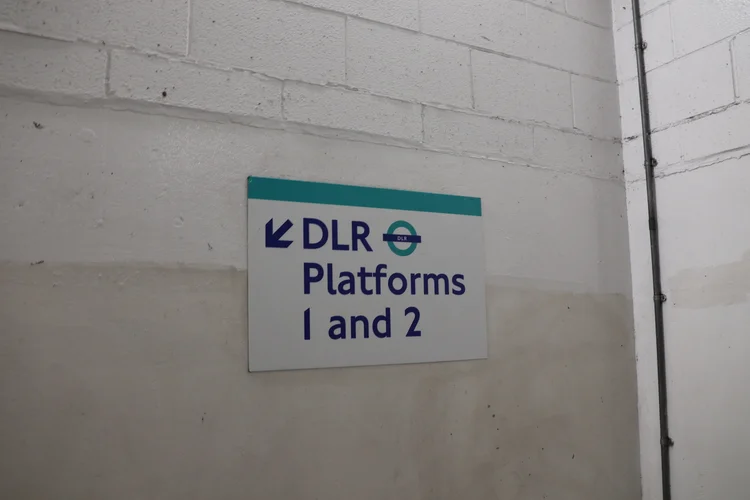
- Arrive via West India Quay DLR station (2 minutes walk) for easiest access. The museum is directly on the waterside - the approach through modern Canary Wharf contrasts dramatically with the historic warehouse, enhancing appreciation of docklands transformation.
- Plan to spend 2-3 hours minimum to explore the main galleries chronologically from top to bottom. The museum spans four floors in a large warehouse - it's more extensive than it appears from outside. Allow extra time for temporary exhibitions.
- Start on the third floor and work downward through chronological displays from Roman times to present day. This flow follows the intended narrative structure and helps you understand how London's port evolved over 2,000 years.
- Don't miss the London, Sugar & Slavery gallery on the third floor - it's one of the most important and powerful exhibitions in any London museum, addressing difficult truths about how British wealth was built on slavery. Allow time to engage seriously with this challenging material.
- The Sailortown Victorian street recreation on the third floor is wonderfully atmospheric - spend time exploring each shopfront and listening to the soundscape that brings the period to life. It's one of the best museum recreations in London.
- If visiting with children, head to the Mudlarks gallery on the ground floor where they can engage in hands-on activities, dress up, and play while learning about the Thames. This award-winning children's space keeps young visitors entertained for 30-60 minutes.
- Free admission makes this museum excellent value, especially given the quality and extent of the galleries. Consider a suggested donation to support the museum's work. Free guided tours and gallery talks run regularly - check the daily schedule on arrival.
- The museum café serves decent food with waterside views. Alternatively, Canary Wharf (7 minutes walk) has dozens of restaurants, cafés, and food courts, though these can be pricey. The museum allows you to leave and return same day.
- Photography allowed throughout for personal use (no flash). The warehouse architecture, Sailortown recreation, and waterside views through museum windows are particularly photogenic. The building itself is a fascinating subject for architectural photography.
Highlights
London, Sugar & Slavery Gallery
This powerful permanent gallery confronts London's role in the transatlantic slave trade and sugar production, examining one of the darkest chapters in British history with unflinching honesty. The gallery explains how London merchants financed slaving voyages, how goods produced by enslaved people in Caribbean plantations (sugar, rum, tobacco, cotton) flowed through London's docks to British consumers, and how profits from slavery built fortunes that shaped London's development.
The warehouse itself was built specifically to store sugar and rum from West Indian plantations worked by enslaved Africans.
Displays feature shackles and chains used on slave ships, maps showing the triangular trade routes, account books documenting human beings bought and sold as property, objects made by enslaved people, abolitionist materials including Olaudah Equiano's autobiography, and evidence of resistance. The gallery gives voice to enslaved people's experiences through documented testimonies and presents the long-term legacies of slavery visible in modern Britain.
This difficult but essential exhibition demonstrates the museum's commitment to addressing uncomfortable truths about how London's wealth was built.
Sailortown: A Victorian Dock Community
This atmospheric reconstruction brings to life Wapping High Street in the 1840s-50s, recreating the sights, sounds, and even smells of the dockside district where sailors, dock workers, and their families lived and worked. Visitors walk through authentic shopfronts including a chandler's shop (ship supplies), pawnbroker, tavern, opium den, and lodging house, each based on historical evidence and filled with period objects.
The recreation captures the vibrant, cosmopolitan, and sometimes dangerous character of Victorian dockside communities where sailors from around the world mixed with local working-class Londoners.
Soundscapes feature period music, street sellers' cries, and dockside noise. The recreation doesn't romanticize the past - it shows poverty, overcrowding, prostitution, and crime alongside community resilience and multicultural mixing. This immersive environment helps visitors understand the human dimension of port life beyond ships and cargoes, showing how docklands communities lived with the river's constant rhythm.
Warehouse Building and Architecture
The museum building itself is a Grade I listed architectural and industrial heritage monument - a magnificent Georgian warehouse constructed in 1802 for the West India Dock Company.
The building's survival is remarkable given the extensive bomb damage the docks suffered during World War II and subsequent demolition of most historic dock structures.
Massive timber beams, original brick walls, cast iron columns, timber floors, and surviving loading bay doors speak to Georgian engineering and the scale of dock operations.
The warehouse was designed to hold valuable imported commodities securely while allowing efficient movement of goods between ships and distribution networks. Museum conservation has exposed and celebrated these industrial features rather than hiding them behind modern finishes. Visitors can see how cargo was moved between floors using hoists, how the warehouse's thick walls provided fire protection for valuable goods, and how the riverside location facilitated ship unloading.
The building provides tangible evidence of London's industrial and commercial past.
First Port of Empire Gallery
This gallery explores London's explosive growth as a global trading hub from 1600-1800, when British imperial expansion transformed the city into the world's premier commercial center. Displays examine the establishment of trading companies (East India Company, Royal African Company, Hudson's Bay Company), the construction of legal and wet docks to handle increasing shipping, the development of marine insurance at Lloyd's Coffee House, and the growth of banking and commodity markets.
Objects include navigational instruments, ship models, cargo samples (spices, tea, textiles), trading company documents, and luxury goods imported from India, China, and the Americas.
The gallery addresses how London's enrichment through trade involved exploitation of colonized peoples, extractive relationships with colonies, and the slave trade.
It shows how global commerce reshaped London's economy, society, and landscape, drawing migrants seeking port work and creating new consumer cultures around imported commodities like tea, coffee, and sugar.
Collections
Museum of London Docklands holds extensive collections documenting London's maritime and port history from Roman times to the present. The collections encompass archaeological finds from Thames excavations and dock sites, ship models and marine equipment, dock machinery and port infrastructure, cargo samples and trade goods, photographs documenting dock work and communities, company records and business archives, personal papers of dock workers and their families, paintings and prints showing Thames and docklands, maps and architectural plans, uniforms and equipment, and contemporary collecting documenting docklands regeneration.
Major collection strengths include London's role in slave trade and empire, Victorian and Edwardian dock working life, wartime docklands, and post-industrial transformation.
The museum shares collections with the main Museum of London, with Docklands specializing in maritime and trade materials while maintaining thematic coherence.
Significant archives include Port of London Authority records, West India Dock Company documents, and personal collections from dock working families. The collections continue to grow through contemporary collecting focused on modern Canary Wharf and oral histories from former dock workers whose memories preserve experiences not documented elsewhere.
London, Sugar & Slavery
This permanent gallery examines London's central role in the transatlantic slave trade and sugar economy from 1600-1850, addressing how profits from slavery built much of London's wealth and funded the docks where the museum now stands. The exhibition doesn't shy from difficult truths about British involvement in slavery, presenting documented evidence of merchants, ship owners, plantation owners, and bankers who profited from human trafficking and exploitation.
It gives voice to enslaved people's experiences and documents resistance and abolition.
This groundbreaking gallery set new standards for how British museums address slavery's legacies.
📍 Third Floor
City and River: Roman to Medieval
This gallery traces London's early development as a port from Roman Londinium (founded AD 43) through Saxon and medieval periods, showing how river access shaped the settlement's growth. Displays feature Roman amphorae and trading goods, evidence of Saxon trade, medieval merchant guilds, and the gradual development of port infrastructure.
Archaeological finds reveal what goods flowed through London and how the port facilitated trade connections across Europe and beyond.
The gallery establishes foundations for understanding London's later emergence as a global trading center.
📍 Third Floor
Trade Expansion 1600-1800
This gallery explores London's transformation into the world's premier commercial center during the age of empire, examining the trading companies, merchant networks, commodity markets, and imperial ventures that enriched the city while extracting resources from colonized territories. Displays show how global trade in spices, textiles, tea, sugar, and other commodities reshaped London's economy and society.
The gallery addresses both the wealth generated and the exploitation and violence that underpinned imperial commerce.
📍 Third Floor
Docklands at Work
This gallery documents the working life of London's docks from their early 19th-century construction through 20th-century closure, focusing on the dockers, sailors, warehouse workers, and families whose labor made the port function. Displays feature dock machinery, cargo handling equipment, union materials, photographs of working dock life, and oral histories.
The gallery celebrates dock workers' skills, resilience, and community solidarity while acknowledging the dangerous, physically demanding nature of dock work.
It addresses industrial relations, strikes, and the eventual devastation when containerization rendered the historic docks obsolete.
📍 Second Floor
New Port, New City
This gallery examines London Docklands' dramatic transformation since the 1960s from derelict industrial wasteland to modern Canary Wharf, exploring the social, economic, and architectural dimensions of regeneration. The exhibition presents multiple perspectives on docklands redevelopment, including former dock workers who lost livelihoods, architects and developers who designed the new city, and residents of both old and new communities.
It addresses continuity and change in this transformed landscape visible through the museum windows.
📍 First Floor
Themes
Time Periods
Current Exhibitions
No current exhibitions. Please check the museum website for updates.