About
The Saatchi Gallery, founded by advertising magnate and art collector Charles Saatchi, has established itself as one of London's premier destinations for contemporary art since opening in 1985, with particular reputation for discovering and promoting emerging artists who often achieve international recognition after Saatchi exhibition, most notably the Young British Artists (YBAs) including Damien Hirst, Tracey Emin, and Sarah Lucas whose careers Saatchi championed in the 1990s through groundbreaking exhibitions that transformed British contemporary art's global perception.
Located since 2008 in the grand neoclassical Duke of York's HQ building on King's Road, Chelsea, the gallery occupies 70,000 square feet of exhibition space across fifteen rooms providing generous environments for contemporary art's often large-scale installations, sculptures, paintings, and multimedia works that require substantial spaces unavailable in commercial galleries.
The Saatchi Gallery's exhibition model differs from traditional museums with permanent collections - instead, rotating thematic exhibitions drawn from Charles Saatchi's extensive personal collection showcase contemporary artists, often emerging talents receiving their first major museum-scale exposure, alongside established figures and international artists unfamiliar to British audiences.
This model creates constantly changing content encouraging repeat visits while fulfilling Saatchi's mission to democratize contemporary art access through free admission removing economic barriers that limit museum attendance. The gallery's controversial history includes Sensation exhibition (1997) at the Royal Academy displaying shocking works challenging artistic and moral boundaries, subsequent exhibitions promoting Chinese, Middle Eastern, and other international contemporary art movements, and Saatchi's personal collecting practices that some critics argue manipulate art markets by purchasing unknown artists' work in bulk then promoting them through exhibitions that inflate values benefiting his holdings.
Despite controversies, the Saatchi Gallery introduced millions to contemporary art through accessible central London location, free entry, and willingness to exhibit challenging, unconventional, and provocative works that more conservative institutions avoid.
The gallery's education programs, artist talks, workshops, and events extend impact beyond passive viewing to active engagement with contemporary creativity.
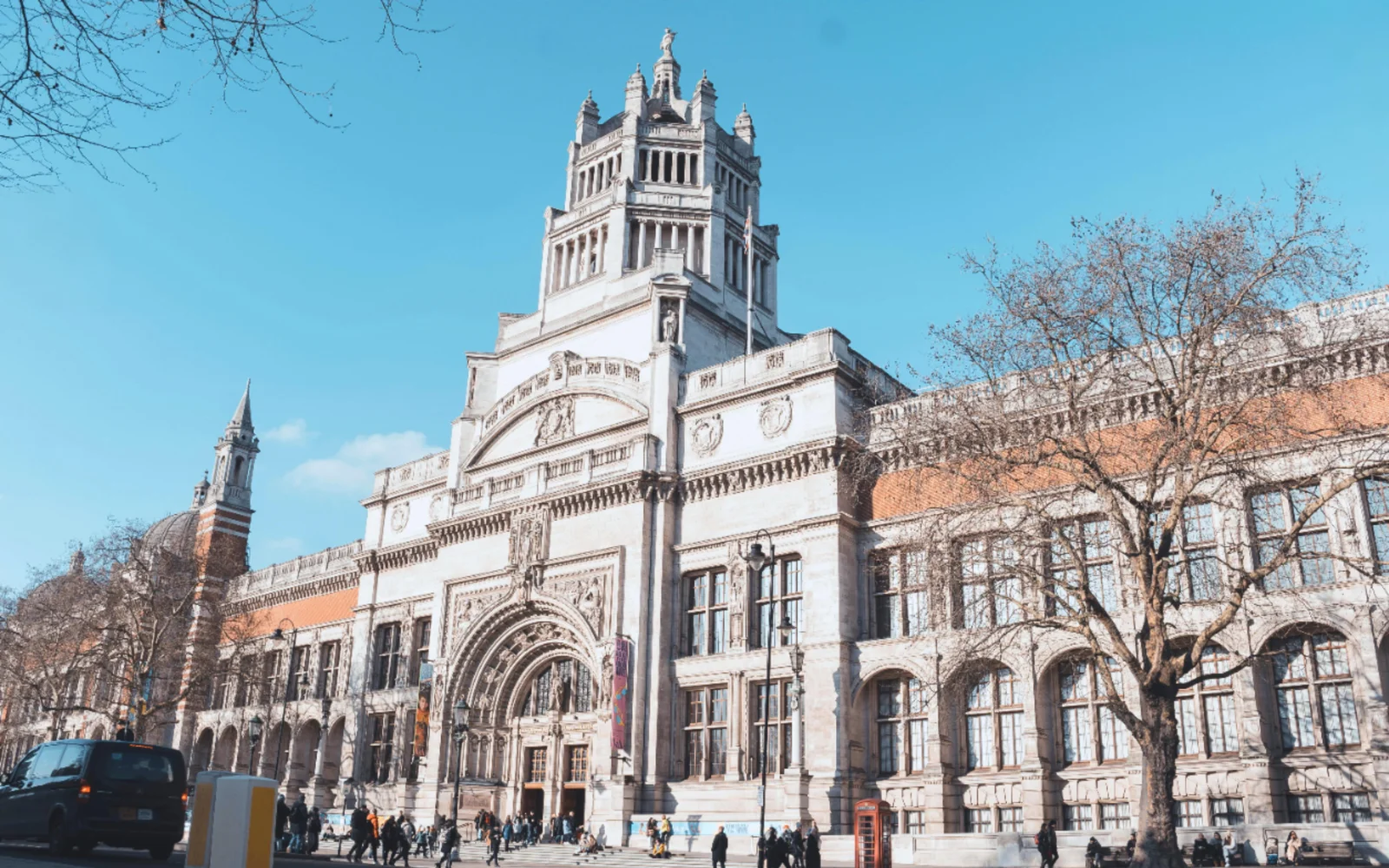
The building itself, a beautifully restored early 19th-century military headquarters with classical proportions and period architectural details, provides elegant contrast to often radical contemporary artworks displayed within historical spaces.
For contemporary art enthusiasts, the Saatchi Gallery offers opportunities to discover emerging talents before wider recognition, encounter challenging works provoking thought and debate, and experience art in generous spaces without museum-typical crowds and queues.
For casual visitors, free admission and rotating exhibitions provide accessible introduction to contemporary art's diversity, innovation, and sometimes controversial nature.
Categories:
Plan Your Visit
⏱️ Recommended Visit Duration
📅 Best Times to Visit
Quietest: Monday, Tuesday, Wednesday
Busiest: Saturday, Sunday
💡 Weekday mornings for quietest viewing, or late afternoons before closing
💡 Visitor Tips
- Check current exhibitions before visiting - content changes every few months, so what's displayed may differ dramatically from previous visits or online reviews.
- Free admission means you can visit speculatively - pop in for 30 minutes to see if exhibitions interest you without financial commitment.
- Weekday mornings offer quietest viewing with best opportunity to contemplate artworks without crowds - weekends can get busy, especially in good weather.
- Allow 90 minutes minimum for thorough viewing - the fifteen gallery rooms contain substantial content that rewards careful attention rather than quick walk-through.
- Contemporary art may challenge, provoke, or confuse - approach with openness and willingness to engage with unfamiliar aesthetics and concepts.
- Take advantage of free guided tours (check schedule) - expert explanations help understand conceptual works that may seem impenetrable without context.
- Photography generally permitted - capture favorite works and installations for social media sharing and personal memories.
- The café provides pleasant rest and refreshment in attractive space - useful for breaking up viewing or discussing exhibitions with companions.
- Combine Saatchi visit with King's Road shopping, nearby Chelsea Physic Garden, or other Chelsea attractions for full day out in this fashionable area.
- Sign up for email newsletter to receive notifications about new exhibitions and events - helps plan repeat visits to see fresh content.
Highlights
Rotating Contemporary Art Exhibitions
The Saatchi Gallery's core offering consists of ambitious rotating exhibitions drawn from Charles Saatchi's extensive personal collection of contemporary art, typically featuring 3-4 major exhibitions annually that occupy the gallery's fifteen spacious rooms with thematically curated displays, emerging artist showcases, international art movements, or established contemporary figures' substantial bodies of work.
Unlike museums with relatively static permanent collections requiring years between major changes, Saatchi Gallery's exhibition model ensures completely fresh content every few months, encouraging repeat visits and allowing deep explorations of specific themes, regions, movements, or artists rather than attempting comprehensive contemporary art surveys.
Past exhibitions have explored diverse topics - Newspeak: British Art Now highlighting emerging UK talents, Pangaea: New Art from Africa and Latin America introducing international artists to British audiences, Gaiety is the Most Outstanding Feature of the Soviet Union examining contemporary Russian art, Out of Focus: Photography featuring large-scale photographic works, and themed group exhibitions addressing social issues, artistic techniques, or cultural phenomena through multiple artists' perspectives.
Each exhibition typically displays 50-150 artworks including paintings, sculptures, installations, video art, photography, and mixed media works, with generous spacing allowing individual pieces substantial presence rather than cluttered salon-style hanging. The rotating model keeps the gallery responsive to contemporary art's rapid evolution, allows Saatchi to purchase and display recently created works while they remain current, and provides opportunities for experimental curatorial approaches testing themes and combinations impossible in more conservative institutions.
Visitors can encounter artists before wider fame - previous Saatchi exhibitions launched careers of artists who became internationally recognized, making the gallery important talent-spotting venue.
The unpredictability of content - visitors never know exactly what they'll encounter - adds excitement but requires checking current exhibitions before visiting to ensure interest in displayed works.
The Young British Artists Legacy
The Saatchi Gallery earned international reputation in the 1990s through championing the Young British Artists (YBAs) - a loose group including Damien Hirst, Tracey Emin, Sarah Lucas, Marc Quinn, Jake and Dinos Chapman, Rachel Whiteread, and others whose provocative, media-savvy, conceptually-driven works challenged British art establishment and captured global attention.
Charles Saatchi's bulk purchases of YBA works and promotional exhibitions including Sensation (1997) at Royal Academy elevated these artists from art school graduates to international celebrities while generating controversies that heightened public interest. Damien Hirst's formaldehyde-preserved animals including shark and bisected cow, Tracey Emin's autobiographical installations like My Bed displaying her unmade bed with intimate personal detritus, Marc Quinn's Self-portrait frozen blood head, and the Chapmans' deliberately offensive sculptures exemplified YBA aesthetics prioritizing shock value, conceptual provocation, and blurring boundaries between high art and popular culture.
While Saatchi's promotion benefited artists' careers, critics argued his market manipulation artificially inflated values and that YBA art valued novelty over lasting artistic merit. Regardless of debates, YBA phenomenon transformed British contemporary art from international backwater to global center, established London gallery scene's vitality, and demonstrated contemporary art's ability to generate mainstream media coverage and public controversy.
The Saatchi Gallery's role in YBA success made it essential institution in 1990s art history.
While current exhibitions no longer focus primarily on YBAs (many have moved beyond their early provocative phase), the gallery maintains commitment to emerging British artists who might become future art stars, continuing talent-discovery mission that defined YBA era.
International Contemporary Art Focus
Beyond British artists, Saatchi Gallery has increasingly focused on introducing international contemporary art to British audiences, particularly from regions underrepresented in Western art institutions - China, Middle East, Africa, Latin America, and Eastern Europe. Exhibitions have showcased contemporary Chinese art during its explosive growth, Middle Eastern artists addressing regional politics and cultural identity, African contemporary art challenging Western stereotypes, and Latin American artists creating distinctive aesthetics informed by different cultural traditions.
This international programming serves multiple purposes - exposing British audiences to global contemporary creativity beyond Euro-American dominance, providing market exposure for artists from developing art scenes, and expanding Saatchi's collection into emerging markets where artworks cost less than established Western art while offering investment potential if artists gain recognition.
Critics argue Saatchi's international collecting repeats colonialist patterns of Western wealth extracting cultural production from developing regions, while supporters credit him with providing platforms for marginalized voices otherwise excluded from major Western galleries. The international exhibitions generate particular controversy when addressing political topics - Chinese art critiquing government repression, Middle Eastern art exploring religious themes, African art confronting colonial legacies - raising questions about Western institutions' roles in displaying politically engaged work from regions where artists face censorship or persecution.
Regardless of debates, Saatchi Gallery's international programming significantly broadens contemporary art's geographic scope beyond traditional art capitals.
Large-Scale Installation Art
The Duke of York's HQ building provides exceptional spaces for contemporary art's increasingly ambitious scale - installation works, monumental sculptures, room-filling environments, and site-specific interventions that commercial galleries' limited square footage cannot accommodate. The fifteen gallery rooms offer varying sizes from intimate chambers to vast halls with high ceilings, allowing curators to match artworks with appropriate spatial contexts.
Installation art particularly benefits from generous space - environmental works that surround viewers, participatory pieces inviting physical interaction, multimedia assemblages combining sculpture, video, sound, and found objects, and conceptual interventions transforming architectural spaces all require substantial room that Saatchi provides.
Artists can create specifically for Saatchi spaces knowing dimensions support ambitious visions. The building's neoclassical architecture with period details creates interesting tensions when contemporary installations occupy historic military headquarters - some artists embrace contrast between radical contemporary work and conservative architecture, others create pieces responding to specific architectural features.
Large sculpture displays benefit from rooms allowing viewing from multiple angles with proper distances.
Photography exhibitions can display wall-sized prints impossible in smaller venues. The spatial generosity prevents crowding that plagues popular exhibitions elsewhere - even when well-attended, the Saatchi Gallery rarely feels claustrophobically packed because room sizes accommodate substantial visitor numbers while maintaining viewing conditions.
For visitors, experiencing large-scale contemporary art in properly proportioned spaces demonstrates why certain works require museum rather than commercial gallery contexts.
Collections
The Saatchi Gallery displays works from Charles Saatchi's extensive private collection of contemporary art acquired since the 1980s, though the collection lacks fixed boundaries as Saatchi continuously purchases new works while selling pieces through commercial galleries. Holdings emphasize post-1980 contemporary art with strength in Young British Artists from the 1990s, international contemporary art particularly from China, Middle East, Africa, and Latin America, installation and conceptual art, photography, sculpture, and painting.
The collection's size and exact contents remain undisclosed as Saatchi treats holdings as private investment portfolio rather than public cultural resource, purchasing and selling works based on market opportunities and personal taste without typical museum accession policies or permanent collection commitments.
Exhibitions rotate selections from holdings while occasionally borrowing works from other collections or directly from artists. The fluid collection model allows responding quickly to contemporary art trends, supporting emerging artists through purchases and exhibitions, and avoiding the static permanent collection constraints affecting traditional museums.
Critics argue this commercial approach compromises museum mission, while supporters credit flexibility enabling discovery of new talents and movements.
Rotating Contemporary Exhibitions
3-4 major temporary exhibitions annually featuring contemporary art from Saatchi Collection and guest loans, with completely changing content every few months.
📍 Fifteen gallery rooms
Themes
Time Periods
Current Exhibitions
No current exhibitions. Please check the museum website for updates.