About
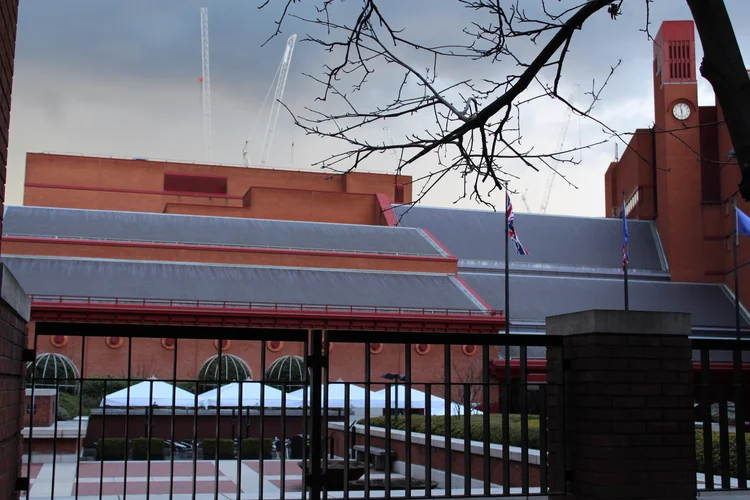
Wellcome Collection is a free museum and library exploring health, medicine, life, and art, located in Bloomsbury, London. Funded by the Wellcome Trust, one of the world's largest medical research charities, it occupies a striking building on Euston Road that combines elegant Edwardian architecture with contemporary design interventions.
Founded from the vast collections of American pharmaceutical entrepreneur Sir Henry Wellcome (1853-1936), who amassed over one million objects related to medicine and health from cultures worldwide, the museum opened to the public in 2007. Wellcome was a pioneering collector who believed that understanding medicine's history across different cultures could illuminate human health and disease. His extraordinary collection ranged from Peruvian mummies and Japanese sex aids to Napoleon's toothbrush and Florence Nightingale's slippers.
Today's Wellcome Collection presents thought-provoking exhibitions examining the human condition through medicine, science, and art. The permanent collection galleries display medical artifacts alongside contemporary artworks, while temporary exhibitions tackle challenging topics like genomes, consciousness, death, and the human body with intellectual rigor and creative imagination. The museum has become renowned for its bold approach to difficult subjects, combining historical objects, cutting-edge science, and artistic responses to create unique interdisciplinary experiences.
With free admission, an excellent reading room, café, shop, and public events program, Wellcome Collection has established itself as one of London's most innovative cultural spaces, attracting over 700,000 visitors annually who come to explore what it means to be human.
Categories:
Annual Visitors (2019)
700,000
Plan Your Visit
⏱️ Recommended Visit Duration
📅 Best Times to Visit
Quietest: Tuesday, Wednesday, Friday
Busiest: Saturday, Sunday
💡 Weekday mornings (10:00-12:00) or Thursday evenings (18:00-20:00) for quieter experience
💡 Visitor Tips
- Arrive on a weekday morning (10:00-11:00) or Thursday evening (18:00-20:00) for the quietest experience. Weekends and school holidays are busiest, particularly Saturday afternoons when temporary exhibitions attract large crowds.
- Plan to spend 1.5-2 hours minimum to see both permanent galleries (Medicine Man and Being Human) plus current temporary exhibitions. The Reading Room is worth visiting even if you don't plan to use the collections - it's architecturally beautiful and free to enter.
- Check the website before visiting to see current temporary exhibitions and plan your visit accordingly. Temporary shows change every 3-4 months and are often the highlight of a visit, tackling fascinating topics with innovative approaches.
- Free gallery talks and tours run regularly throughout the week - check the events calendar on arrival or online. These provide excellent context for the collections and temporary exhibitions, helping you get more from your visit.
- The Wellcome Kitchen café on the ground floor serves excellent food and drinks with plenty of vegetarian and vegan options. It's a great place to reflect on what you've seen, with a relaxed atmosphere and reasonable prices for central London.
- Photography is allowed throughout most of the museum for personal use (no flash or tripods). The Medicine Man gallery and temporary exhibitions are particularly photogenic. Some contemporary artworks may restrict photography - check signage.
- The museum shop stocks an excellent selection of books on medicine, science, and art, plus unusual gifts and curiosities inspired by the collection. It's one of London's best museum shops for quirky, intelligent presents.
- The Reading Room is open Tuesday-Saturday and free to use - you just need to register at the desk. It's an inspiring space to work or research with access to incredible collections on medicine and health topics.
- Use Euston Square or Warren Street tube stations rather than Euston mainline - they're closer and less crowded. The museum is directly on Euston Road, making it easy to find from any direction.
Highlights
Medicine Man Gallery
This extraordinary permanent gallery displays selections from Sir Henry Wellcome's vast collection of medical objects, showcasing the diversity of approaches to health and healing across cultures and centuries. The gallery features over 2,000 artifacts arranged thematically, including ancient Egyptian amulets, medieval bleeding bowls, Japanese netsuke, African protective charms, Peruvian mummies, antique surgical instruments, and curiosities like Napoleon's toothbrush.
The eclectic presentation reflects Wellcome's insatiable collecting appetite and his belief that understanding different cultural approaches to medicine illuminates universal human concerns with health, disease, and death.
Objects range from the beautiful to the bizarre, creating a cabinet of curiosities that challenges visitors to think about medicine beyond Western scientific traditions. The gallery's design encourages exploration and discovery, with surprises at every turn.
Being Human Gallery
This innovative permanent exhibition explores what it means to be human through the lens of medicine, examining genetics, minds, bodies, and identities. Exhibits feature cutting-edge medical technology alongside historical objects and contemporary artworks, including a real human genome sequence, brain scanning technology, prosthetic limbs showing technological evolution, and artworks responding to medical science.
Interactive displays allow visitors to explore their own bodies and minds through games and activities examining perception, memory, and decision-making.
The gallery tackles challenging questions about enhancement, disability, consciousness, and what makes us human in an age of genetic engineering and artificial intelligence.
Thought-provoking and occasionally controversial, this gallery exemplifies Wellcome Collection's mission to explore difficult topics at the intersection of medicine, science, and society with intellectual honesty and creative imagination.
Medicine Now Gallery
This contemporary gallery examines cutting-edge developments in medicine and their implications for society, featuring changing displays on topics like antibiotic resistance, global health challenges, medical technology, and the future of healthcare. Exhibits combine scientific information with patient perspectives, ethical debates, and artistic responses to create multifaceted explorations of current medical issues.
Recent displays have examined topics including vaccines, genomics, mental health, obesity, and pandemic preparedness.
The gallery's strength lies in presenting complex medical science accessibly while acknowledging social, ethical, and cultural dimensions of health and disease.
Interactive elements and multimedia presentations make difficult topics engaging for diverse audiences. This forward-looking gallery positions Wellcome Collection as a venue for public debate about medicine's role in society and the choices we face as medical capabilities expand.
Reading Room
Wellcome Collection's beautiful Reading Room provides free access to over 200,000 books, journals, manuscripts, and archives related to medicine, health, and the human body. The elegant space features original Edwardian architectural details combined with contemporary furnishings, creating an inspiring environment for research and contemplation.
The collections include rare medical texts, patient records, pharmaceutical company archives, medical photography, and contemporary publications on health topics.
Special strengths include psychiatry, tropical medicine, genetics, and history of medicine. Digital terminals provide access to digitized collections and online resources. Registration is free and anyone can visit to browse the collection or conduct research.
The Reading Room hosts regular events including talks, workshops, and exhibitions from the special collections, making it both a working library and a public cultural space.
Collections
Wellcome Collection cares for hundreds of thousands of objects, books, archives, and artworks related to medicine and health, originating from Sir Henry Wellcome's lifetime of collecting (1853-1936). The collections encompass medical instruments, anatomical specimens, pharmaceutical artifacts, ethnographic objects relating to healing practices worldwide, rare medical books and manuscripts, pharmaceutical company archives, medical photography and artwork, and contemporary art commissions.
Major strengths include history of tropical medicine, psychiatry, medical anthropology, pharmaceutical history, and medical imagery.
The library holds over 200,000 volumes including rare medical texts from the 15th century onwards. Only a tiny fraction of the collection is displayed in the galleries, with most material held in stores and available to researchers. The collection continues to grow through contemporary collecting focused on documenting current medical developments and their social impact.
Wellcome Collection has worked to address the colonial origins of much material through research, reinterpretation, and repatriation initiatives.
Medicine Man
This cabinet of curiosities displays over 2,000 objects from Sir Henry Wellcome's vast collection, arranged thematically in wall-to-wall glass cases. The gallery showcases the breadth and eclecticism of Wellcome's collecting, with objects from every continent and historical period.
Themes include objects that heal, objects of desire and beauty, protecting health, understanding the body, and curiosities.
The dense, visually rich displays encourage exploration and serendipitous discovery, revealing unexpected connections between objects separated by centuries and continents but united by human concerns with health and healing.
📍 Level 1
Being Human
This gallery examines what makes us human through four sections: Genetics, Minds, Bodies, and Identities. Exhibits feature cutting-edge science, medical objects, contemporary art, and interactive elements that encourage visitors to consider questions about human enhancement, consciousness, disability, and the boundaries of the human.
The gallery presents complex biomedical topics accessibly while acknowledging their profound ethical, social, and philosophical implications.
Regular updates ensure content reflects current scientific developments and debates.
📍 Level 2
Medicine Now
This gallery examines contemporary medical topics and their social implications through changing displays. Topics have included obesity, death, sexuality, forensics, and global health challenges. The gallery connects cutting-edge medical science with lived experience, ethics, and policy debates.
Displays typically combine scientific explanation, patient voices, historical context, and artistic responses to create multifaceted explorations of how medicine shapes contemporary life. The gallery is regularly updated to remain relevant to current medical and social debates.
📍 Level 2
Themes
Time Periods
Current Exhibitions
No current exhibitions. Please check the museum website for updates.
Nearby Museums (5 within 6 miles)
Petrie Museum of Egyptian Archaeology
London — ~2 min walk (0.1 mi)
Grant Museum of Zoology & Comparative Anatomy
London — ~3 min walk (0.1 mi)