London's Free Museums: Complete Guide for Tourists
Why Are London's Museums Free? (And What This Means for You)
If you're coming from countries where major museums charge £20-30 for entry, London's free admission policy seems almost too good to be true. But it's real, and there's a fascinating reason behind it.
In 2001, the UK government made a decision that changed everything: they abolished admission charges at all national museums. The philosophy was simple—culture and knowledge should be accessible to everyone, not just those who can afford a ticket. The government funds these museums through taxes, which means locals and tourists alike can walk in for free.
This is genuinely unusual globally. The Louvre in Paris charges €17. New York's Met Museum has a $30 'suggested' admission that's not really optional anymore. Tokyo's museums charge ¥600-1,000. But walk into the British Museum on a Tuesday morning, and you'll pay exactly nothing.
Here's what this means practically: you can pop into a museum for 30 minutes to see one specific thing without feeling like you're wasting your ticket. You can visit the same museum multiple times during your trip. You can bring your kids without the math becoming terrifying. And if you're planning a week in London, you can experience world-class culture without allocating a museum budget at all.
How Much Money You'll Actually Save
Let me give you real numbers. If London's museums charged what similar institutions charge internationally, here's what a family of four would pay for a typical museum day:
- British Museum: Would probably charge £25 per adult, £15 per child = £80 (like comparable museums in Paris or New York)
- Natural History Museum: Similar pricing = £80
- Victoria and Albert Museum: £20 adult, £12 child = £64
- Science Museum: £20 adult, £12 child = £64
- National Gallery: £22 adult, £12 child = £68
That's a theoretical £356 (roughly $450 or €420) for just five museums. In reality? £0. Zero. Nothing. You could visit all five in a week and your only costs are transport and lunch.
Even solo travelers save dramatically. If you visit four museums during a three-day London visit, you're saving £80-100 compared to what you'd pay in most other world capitals. That's several nice meals, or a West End theatre ticket, or a day trip to Bath—experiences you can afford because you're not paying for museum admission.
The Top 8 Free Museums You Absolutely Must Visit
London has 20+ major free museums, but if you're visiting for the first time, these eight are the absolute essentials. I've listed them in my personal order of 'don't you dare miss this.'
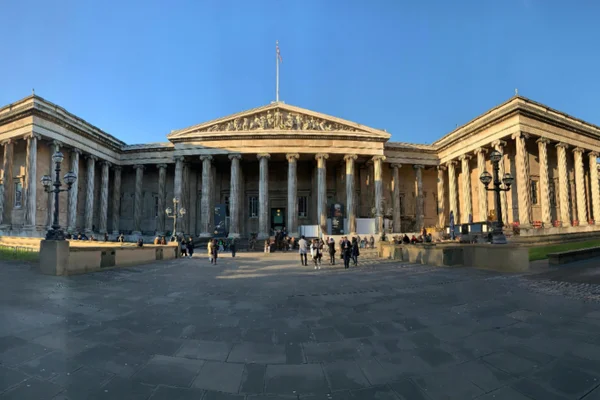
1. The British Museum (The Big One)
Great Russell Street, London WC1B 3DG • Nearest Tube: Tottenham Court Road (Northern/Central lines) or Holborn (Central/Piccadilly lines) • 5-10 minute walk
This is the museum most tourists come to London to see, and it absolutely delivers. With 8 million objects spanning 2 million years of human history, it's overwhelming in the best possible way. The Rosetta Stone (the actual one, not a replica) is here. The Parthenon Marbles are here. Egyptian mummies, Assyrian lions, the Lewis Chessmen—they're all here.
Here's what you need to know: Don't try to see everything. It's impossible and you'll just exhaust yourself. Pick 3-4 collections you really care about and spend quality time with them. My recommendation: Egyptian mummies (Rooms 62-63), Ancient Greece (Room 18 for the Parthenon Marbles), and the Rosetta Stone (Room 4). That's 2-3 hours well spent.
Best time to visit: Weekday mornings before 11am. Saturday afternoons are absolute chaos—avoid if possible. The museum is open until 8:30pm on Fridays, which is brilliant for beating the crowds.
Time needed: 2-3 hours for highlights, half-day if you're really into it. Full-day visits are for serious museum people only.
2. The National Gallery (World-Class Art on Trafalgar Square)
Trafalgar Square, London WC2N 5DN • Nearest Tube: Charing Cross (Northern/Bakerloo lines) • 2-minute walk, or Leicester Square (Northern/Piccadilly lines) • 5-minute walk
If you like art even a little bit, this is non-negotiable. Van Gogh's Sunflowers. Da Vinci's Virgin of the Rocks. Turner's The Fighting Temeraire. Caravaggio's Supper at Emmaus. Vermeer's A Young Woman Standing at a Virginal. These aren't 'works inspired by' or 'similar to'—these are the actual, original paintings you've seen in art history books your whole life.
The building itself is stunning, sitting right on Trafalgar Square with those iconic lions outside (great for photos, but watch for pickpockets in the square—more on London crime later). The collection is arranged chronologically, which makes it easy to navigate even if you're not an art expert.
Pro tip: Grab a free map at the entrance and ask a gallery assistant for the 'greatest hits' route. They're lovely and will point you to the most famous works. The Impressionist rooms (45-46) are particularly wonderful.
Time needed: 2 hours for highlights, 3-4 hours if you love art. You could easily spend all day here.
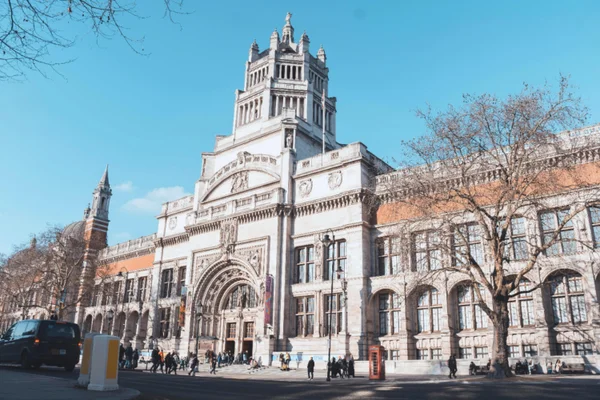
3. Victoria and Albert Museum (V&A - Design and Fashion)
Cromwell Road, London SW7 2RL • Nearest Tube: South Kensington (District/Circle/Piccadilly lines) • 5-minute walk
The V&A is the world's largest museum of applied and decorative arts and design—which sounds dry but is actually magical. Think fashion through the ages, jewelery, furniture, ceramics, photographs, sculptures, and entire rooms transplanted from historic buildings.
What makes it special is how beautiful everything is. This isn't dusty artifacts behind glass—it's gorgeous objects that make you want to touch them (don't, obviously). The fashion collection is particularly stunning, with gowns from every era. The Cast Courts (Room 46a) contain plaster casts of famous sculptures like Michelangelo's David, full-size.
The cafe in the original Victorian rooms is one of the world's first museum restaurants and worth seeing even if you don't eat there. Actually, scratch that—have afternoon tea there if you can. It's lovely.
Time needed: 2-3 hours. It's huge and easy to get lost in (in a good way).
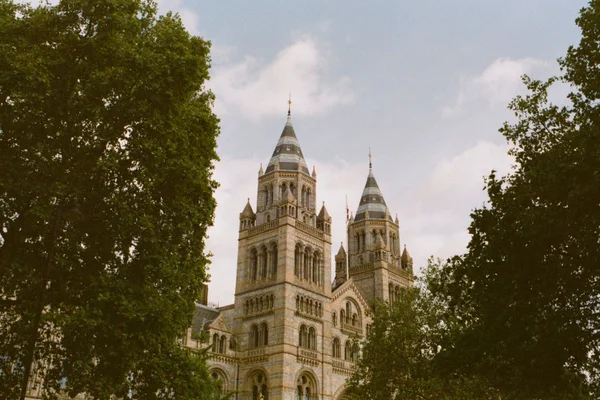
4. Natural History Museum (Dinosaurs and Darwin)
Cromwell Road, London SW7 5BD • Nearest Tube: South Kensington (District/Circle/Piccadilly lines) • 5-minute walk (right next to the V&A)
The building alone is worth the visit—it's a cathedral to nature, all terracotta and soaring architecture. But inside is where it gets spectacular. The dinosaur gallery features a full-size animatronic T-Rex that roars (kids lose their minds). The blue whale skeleton suspended in the main hall is breathtaking. The minerals gallery is surprisingly mesmerizing.
This museum is extremely popular with families, which means school holidays and weekends are packed. I mean shoulder-to-shoulder, can't-move packed. If you're visiting without kids, aim for a weekday morning or late afternoon.
Time needed: 2 hours for adults, 3-4 hours with children who want to see everything.
5. Science Museum (Interactive and Brilliant)
Exhibition Road, London SW7 2DD • Nearest Tube: South Kensington (District/Circle/Piccadilly lines) • 5-minute walk (same as Natural History and V&A)
Notice a pattern? South Kensington tube station drops you near three world-class museums, all free, all next to each other. This is not an accident—Prince Albert designed it this way in the 1850s. Clever fellow.
The Science Museum is hands-on in a way many museums aren't. You can touch things, press buttons, experiment. The Wonderlab (the interactive gallery) costs extra, but honestly, the free sections are excellent. The space exploration exhibits, the locomotives, the computing history—it's all fascinating even if you're not particularly science-minded.
The IMAX cinema shows nature and space documentaries but isn't free (£11-15). Skip it if you're on a budget—the free museums are better value.
Time needed: 2-3 hours. More if you have kids who want to try every interactive exhibit.
6. Tate Modern (Contemporary Art in a Power Station)
Bankside, London SE1 9TG • Nearest Tube: Southwark (Jubilee line) • 7-minute walk, or Blackfriars (District/Circle lines) • 10-minute walk
Housed in a converted power station on the South Bank of the Thames, Tate Modern is London's contemporary art powerhouse. Picasso, Warhol, Rothko, Hockney—if they're famous and modern, they're probably here. The building itself is stunning, especially the Turbine Hall with its enormous industrial space used for large-scale installations.
Here's the thing about contemporary art: you'll either love it or think 'my five-year-old could do that.' That's normal. Don't feel bad if some of it doesn't click. Just enjoy what speaks to you. The views from the upper floors across the Thames to St Paul's Cathedral are magnificent, particularly at sunset.
Pro tip: The Millennium Bridge connects Tate Modern to the City of London (and St Paul's Cathedral). It's a beautiful walk across the Thames and completely free.
Time needed: 1.5-2 hours. Contemporary art museums are exhausting—you need mental space to process it all.
7. National Portrait Gallery (Faces Through History)
St Martin's Place, London WC2H 0HE • Nearest Tube: Charing Cross or Leicester Square • 5-minute walk
Right next to the National Gallery, this museum does exactly what it says: portraits of significant Britons throughout history. Shakespeare, Queen Elizabeth I, the Brontë sisters, Churchill, David Bowie—they're all here. It's a brilliant way to learn British history through faces.
The contemporary portraits on the top floors are particularly interesting—seeing how portrait art has evolved with photography and digital media. Plus, the rooftop restaurant has some of the best views in central London (though the food isn't free, obviously).
Time needed: 1-2 hours. It's smaller than the National Gallery and easier to 'do' in one visit.
8. Museum of London (The City's Story)
150 London Wall, London EC2Y 5HN • Nearest Tube: Barbican (Circle/Metropolitan/Hammersmith & City lines) or St Paul's (Central line) • 5-8 minute walk
If you want to understand London—really understand it—come here. The museum tells the city's story chronologically from prehistoric times to the present day. Roman London, Medieval London, the Great Fire, the Blitz, the Swinging Sixties—it's all here, told brilliantly.
What I love about this museum is how it makes London's complex history accessible. You'll see actual objects Londoners used—a Roman bikini (yes, really), medieval ice skates, Victorian shop fronts. It brings history alive in a way that pure facts can't.
Tourist tip: This museum is much less crowded than the big names. If you're suffering from tourist-attraction fatigue, this is a lovely quieter alternative.
Time needed: 2 hours to see everything at a comfortable pace.
Perfect One-Day Free Museum Route (For First-Time Visitors)
If you've only got one day and want to hit the highlights efficiently, here's my recommended route. It's ambitious but doable if you start early and pace yourself.
9:30am - British Museum (2 hours)
Start here before it gets crowded. Focus on Egyptian rooms and the Rosetta Stone. The museum opens at 10am but you can queue from 9:30am.
11:45am - Walk to National Gallery (20 minutes)
Pleasant walk south through Bloomsbury to Trafalgar Square. You'll pass through Covent Garden area—nice for photos but skip the shops for now.
12:15pm - National Gallery (2 hours)
Focus on the Impressionists and Renaissance rooms. Grab lunch at the cafe or, better, bring sandwiches and eat in Trafalgar Square (there are benches, but also pigeons—watch your food).
2:30pm - Tube to South Kensington (From Leicester Square to South Kensington, 15 minutes including walk)
Now you're in museum heaven.
3:00pm - Natural History Museum (1.5 hours)
Quick visit to see the dinosaurs and blue whale. Don't try to see everything—it's enormous.
4:45pm - V&A Museum (1.5 hours until closing at 5:45pm)
Pop over next door for a quick tour of the fashion and Cast Courts. If you're tired, skip this and just do four museums instead of five.
Total museums visited: 4-5
Total cost: £0 for museums, plus transport (about £8-10 with an Oyster card)
What you'd pay elsewhere: £80-120 for the same day
The Donation Question: What You Need to Know
Here's where tourists get confused: when you enter many free museums, you'll see donation boxes with 'suggested donations' of £5 or £10. Staff might ask if you'd like to donate. Some tourists think this is required. It absolutely is not.
The museums are genuinely free. The donations help, certainly, but they're 100% optional. If you want to donate, lovely. If you don't, also completely fine. Don't let anyone make you feel guilty about it—you're a tourist, you're already spending money in London, and the museums are funded by taxes.
That said, if you particularly loved a museum and can afford £5, it's a nice gesture. But if you're a student or traveling on a tight budget? Walk straight past the donation box with your head high. That's what it's there for—to be optional.
What Actually Costs Money (And What You Can Skip)
While permanent collections are free, some things do cost money. Here's what to expect:
- Special temporary exhibitions: These usually cost £12-18. They're often excellent, but not necessary if you're on a budget. The free permanent collections are world-class on their own.
- Audio guides: £5-7 typically. Honestly? The free museum apps on your phone are just as good. Download them before you visit.
- Museum shops: Tempting but overpriced. That Egyptian cat statue is £25 in the British Museum shop, £8 on Amazon. Just saying.
- Museum cafes: £8-12 for a sandwich, £4 for coffee. London prices, not museum markup. Bring snacks or eat at nearby Pret a Manger or other chain cafes (cheaper).
- Cloakrooms: Usually £2-3 to store a bag. Useful if you're sightseeing all day, but not essential for short visits.
Money-saving tip: Bring a reusable water bottle. Museums have free water fountains. London tap water is perfectly safe to drink (despite what some tourists think).
What International Visitors Need to Know About London
Museums aside, London can be confusing if you've never been before. Here's the stuff I wish someone had told me before my first visit:
The Weather (Bring Layers, Always)
London weather is famously unpredictable. It might rain. It might be sunny. It might be both in the same hour. The temperature can feel quite cold even in summer because of the wind and dampness. Bring a light waterproof jacket even in July. Layers are your friend—museums can be stuffy and hot inside, but you'll freeze waiting for the tube.
Also, London doesn't really 'do' snow. If there's even a light dusting, the entire transport system has a nervous breakdown. Americans and Canadians find this hilarious. Londoners do not.
The Queuing Culture (It's Real)
British people queue (stand in line) for everything, and they take it seriously. At museums, at bus stops, in shops—there's always an orderly queue. Join the back of it. Don't push in or try to go around. You will be judged. Silently, but thoroughly.
The exception is tube platforms, which are a free-for-all. But everywhere else? Queue properly.
Tipping Culture (Very Different from America)
In museums: no tipping, ever. In restaurants: 10-12.5% is standard, and often already included on the bill (check before adding more). In cafes: tipping not expected. In pubs: definitely don't tip. In taxis: round up to the nearest pound, maybe.
Americans especially: your 20% tipping habit will mark you as American immediately. It's not wrong, but you're overpaying by British standards.
Plug Adaptors and Power (The UK is Special)
UK plugs are unique three-pin monsters that won't fit your phone charger. Buy an adaptor before you leave home (cheaper) or at the airport (expensive). Your phone/laptop will handle the voltage difference (UK is 230V) automatically—that's not the issue, it's the physical plug shape.
Safety and Pickpockets (London is Generally Safe, But...)
London is a safe city by international standards. You can walk around at night in tourist areas without worry. Violent crime against tourists is very rare. However, pickpockets absolutely exist, especially in crowded museums and on the tube.
Keep your phone and wallet in front pockets or a secure bag. Don't flash expensive cameras around your neck in busy areas. Be aware on crowded tube platforms—that's when pickpockets strike. Museums themselves are safe; it's the surrounding tourist areas where you need to be alert.
Trafalgar Square, Covent Garden, and around the British Museum are pickpocket hotspots. Just be sensible.
Getting Around: The Tube and Oyster Cards Explained
London's tube (Underground, metro, subway—same thing, different words) is extensive and generally excellent. It's also expensive if you don't do it right.
Get an Oyster Card or Use Contactless
Never, ever buy paper tickets. They're twice the price of Oyster/contactless. You have two good options:
- Oyster card: £10 deposit (unrefundable), then you top it up with credit. Tap in and out at barriers. Tube fares are capped daily (about £8.90 in Zone 1-2, which covers most tourist areas).
- Contactless bank card: If you have a contactless bank card (Visa/Mastercard), just tap it directly. Same prices as Oyster, no need to buy a separate card. This is what I do. Works brilliantly.
The daily cap means that once you've spent about £8.90 in a day on tubes and £5.25 on buses, the rest of your journeys are free. Very handy for museum hopping.
Tube Etiquette
- Stand on the right, walk on the left on escalators. This is sacrosanct. Tourists blocking the left side cause actual rage.
- Let people off before boarding. Basic manners, but you'd be surprised.
- Don't eat smelly food on the tube. Technically allowed, but you'll be silently judged again.
- Move down inside the carriage. Don't block the doors when there's space further in.
- Some lines have no air conditioning. The Central line in summer is basically hell. Sorry.
Buses vs Tubes for Museum Hopping
Tubes are faster. Buses are more scenic and you see the city. For museums, I recommend tubes—they're more reliable and you won't get stuck in traffic. But if you want to see London, the top deck of a double-decker bus is lovely. Just budget extra time.
When to Visit (Avoiding the Crowds)
Museum crowds in London follow predictable patterns. Here's how to dodge them:
Best days: Tuesday, Wednesday, Thursday. Monday is busy with weekend overflow. Friday is date night, so museums get busier after 5pm. Saturday and Sunday are family chaos.
Best times: First thing in the morning (10am opening) or last thing in the afternoon (after 4pm). The 2-4pm window is usually packed with tour groups.
Worst times: British school holidays (mid-July to early September, plus two weeks at Easter and Christmas). Avoid if possible. Museums become war zones.
Weather impact: Rainy days are busier (everyone's sheltering indoors). Sunny days are quieter because people would rather be in parks. Perverse, but true.
Insider Tips for Museum Visits
After years of museum-going, here are my hard-won practical tips:
- Book timed entry online even when it's free. Many museums now require advance booking for specific time slots. It's still free, but you choose your entry time. This skips queues. Book a day or two ahead.
- Comfortable shoes are not optional. Museum floors are hard. You'll walk 5-8km in a day of museum hopping. Your feet will hurt if your shoes are wrong. Trust me on this.
- Bring a small backpack. Museums have cloakrooms, but having snacks, water, and a jumper with you is handy. Just don't bring a huge bag—some museums restrict large backpacks.
- Photography is usually allowed (no flash). Check signs, but generally you can take photos for personal use. Just don't use flash (it damages artworks) or block other visitors.
- Free WiFi is standard. Most major museums have it. Useful for looking up info or googling 'who painted this again?'
- Museum fatigue is real. After 2-3 hours, your brain stops processing new information. Take breaks. Sit in the cafe. Go outside for 10 minutes. Don't power through—you won't remember anything.
- Gallery assistants are friendly and knowledgeable. Ask them questions! They're usually art history students or retirees who love their museum. They'll give you insider tips about what to see.
- Free museum apps are excellent. Download the British Museum, V&A, and National Gallery apps before you visit. They have maps, audio tours, and highlights guides—all free.
The One Thing You Should Absolutely Not Miss
If I could only recommend one thing, it would be this: spend an hour in the British Museum's Egyptian rooms, specifically the mummies in Rooms 62-63. Not because they're the most important objects there (debatable), but because they're so visceral. You're looking at actual human beings from 3,000 years ago, preserved in a way that makes them feel almost alive. It's profound in a way that golden artifacts aren't.
Stand in front of Ginger (the 5,400-year-old naturally preserved mummy in Room 64) and really think about the fact that this person walked around Egypt before the pyramids were built. That they had thoughts, fears, hopes, just like you. And now here they are, in London, being stared at by tourists from around the world.
It's the kind of experience that reminds you why museums matter. And you get it for free.
Final Thoughts: Why This Matters
Here's the thing about London's free museums: they're not just free in the financial sense. They're free in the sense of freedom—freedom to explore human creativity and knowledge without barriers. Freedom to return multiple times. Freedom to let curiosity lead you wherever it wants to go.
I've watched tourists realize, mid-visit, that they can come back tomorrow if they want. That they don't have to cram everything into one visit because they paid £30 for entry. The relief on their faces is wonderful.
So yes, come see the Rosetta Stone and the dinosaurs and the Van Goghs. But also, give yourself permission to wander, to sit, to spend twenty minutes with one painting that moves you, to leave when you're tired and come back refreshed. That's the real gift of London's free museums—not just the zero price tag, but the freedom it gives you to experience culture on your own terms.
Enjoy London. And when you walk into the British Museum for the first time and realize this vast temple of human knowledge costs you nothing, take a moment to appreciate how special that is. Because it really, truly is.
Related Museums