London Museum Tickets: What to Book Ahead
Book these ahead, without exception
These sites run on timed entry with capacity that genuinely sells out, and two of them state that advance booking is required rather than merely advised.
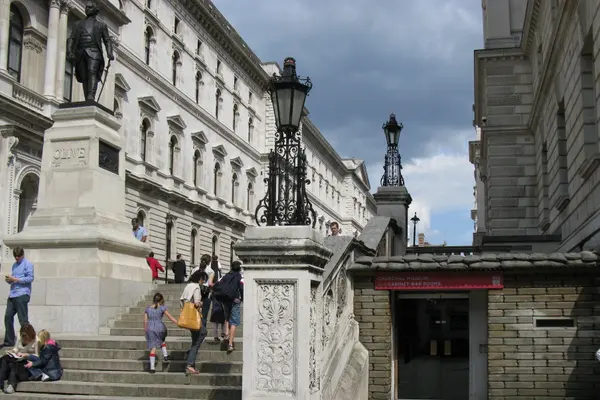
- Churchill War Rooms (£28.00) — advance booking is required, entry is timed, and the underground rooms have a hard capacity limit. This is the one people most often get wrong, because it sits in Westminster and feels like somewhere you could drop into.
- The Postal Museum — the Mail Rail ride runs on small trains with limited seats, so the ride sells out well before the galleries do. Booking is strongly recommended and the museum says so itself.
- Tower of London (£34.80) — timed entry, and in summer the walk-up queue is a genuine hour of your day. Historic Royal Palaces recommends booking in advance and prices online tickets lower than the gate.
- HMS Belfast (£22.50) — timed entry, and the ship's gangway paces admissions whether the day is busy or not.
Worth booking, but you will probably be fine
These charge admission and get busy at weekends and in school holidays, but a weekday walk-up rarely fails. Book if your day is tightly scheduled; otherwise keep the flexibility.
- Kensington Palace (£24.70) — booking is recommended rather than required, and entry is not timed.
- Hampton Court Palace (£29.00) — enormous site, rarely capacity-constrained, but it is a long way out and worth not wasting.
- Cutty Sark (£18.00) and the Royal Observatory Greenwich (£18.00) — both fine midweek, both busy on a sunny Sunday.
- London Transport Museum (£18.50) — Covent Garden, so weekend afternoons are the crush.
- Old Royal Naval College (£19.00) — the Painted Hall, which is the reason to go, absorbs visitors easily.
One quiet advantage of booking these: a ticket bought the night before fixes the day in your head. The most common London planning failure is not a sold-out attraction, it is an afternoon that dissolves because nothing was committed to.
Just walk in
London's national museums charge nothing for general admission and, outside a handful of peak weekends, do not require a booking. Walk into the British Museum, the National Gallery, the Victoria and Albert Museum, the Natural History Museum, the Science Museum, Tate Modern, Tate Britain, Imperial War Museum London, the Wellcome Collection or the National Maritime Museum and you will be inside in minutes. Their special exhibitions are a different matter — those are ticketed, dated, and do sell out.
The same goes for London's small house museums, which are the most rewarding walk-ins in the city precisely because nobody queues for them. Dr Johnson's House (£8.00), the Guards Museum (£8.00), the Fan Museum in Greenwich (£5.00), the Golden Hinde II (£6.00) and the Brunel Museum (£5.00) will all take your money at the door on the day. Check the opening days first, though — which brings us to the section that will save you the most time.
The closing days that catch people out
This is the single most useful list here. A surprising share of London's smaller and mid-sized museums open only part of the week, and the closures cluster at the start of it. If you are planning a Monday or a Tuesday, plan it around this.
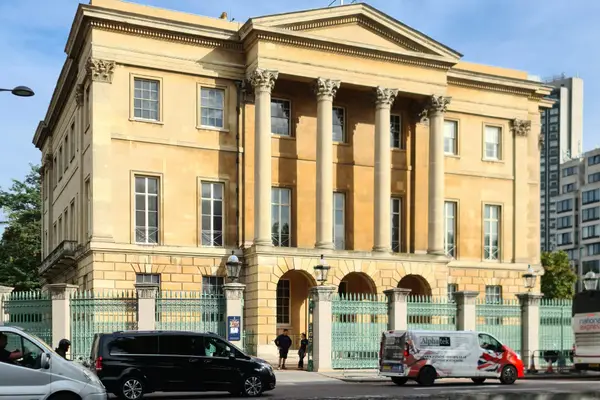
- Closed Mondays and Tuesdays: The Postal Museum, Apsley House, Wellington Arch, the Freud Museum, Leighton House, Museum of London Docklands.
- Closed Mondays: Charles Dickens Museum, The Foundling Museum, the Fan Museum, Wellcome Collection.
- Open Fridays to Sundays only: Eltham Palace — the art deco house in south-east London, and the one most likely to strand a visitor who has travelled out for it.
- Afternoons only: Benjamin Franklin House, which opens from midday on the days it opens at all.
The corollary is worth stating plainly: Monday is the day to spend in the free national museums, which open seven days a week. Save the house museums and the English Heritage properties for midweek, when the whole city is available to you.
A Monday in London is not a bad museum day. It is a bad day to have booked anything small, historic and independently run — and a very good day to be at the British Museum before the coaches arrive.
Where booking online is actually cheaper
Advance booking is not only about availability. Several London attractions price their online tickets below the walk-up rate, which means the careful visitor is paid for their planning rather than merely rewarded with a shorter queue.
- Imperial War Museums sites — Churchill War Rooms and HMS Belfast both discount online booking by around ten per cent.
- Historic Royal Palaces — the Tower, Hampton Court and Kensington Palace all price online tickets below the gate, typically by about a tenth.
- Membership — if you expect to visit three or more Historic Royal Palaces sites, or to return within the year, annual membership usually beats individual tickets outright. The same logic applies to English Heritage for Apsley House, Wellington Arch and Eltham Palace.
If your trip is dense with paid attractions rather than free ones, it is also worth checking whether a multi-day sightseeing pass undercuts the individual tickets — we ran that arithmetic properly in Is the London Pass worth it for museums?, and the answer turns out to depend entirely on how many ticketed sites survive your final itinerary.
Putting a day together
The shape that works, in one sentence: book the timed-entry site for the morning, put a free national museum in the afternoon, and keep a small house museum in your pocket for the moment the weather turns. The morning booking gives the day a spine; the free museum gives you somewhere to be that costs nothing if plans slip; the house museum is your reward for having planned at all.
Greenwich deserves its own note, because it is the one part of London where this breaks down in your favour. Cutty Sark, the Royal Observatory, the Painted Hall, the Queen's House and the National Maritime Museum sit within a few hundred metres of each other, two of them free. You can build an entire day there on one boat trip and one booking, which is as close to effortless as London sightseeing gets.
Everything above is drawn from the opening hours and admission prices we hold for each site, and each one has its own page on MuseumsUK with the current detail. Museums do change their days — the smaller and more independent the museum, the more likely it is — so treat this as the plan and the museum's own website as the final word.
Related Museums